Clogged Drain Clearing — Brockton, Massachusetts
Clogged Drain Clearing in Brockton, MA
Fast, honest clearing for kitchen, bathroom, and main line clogs across every Brockton neighborhood — with the local knowledge to know why this city's older housing stock clogs more than most.
Signs You Need Clog Clearing
- A single sink, tub, or drain is slow or blocked
- Water pools before slowly draining
- A drain gurgles when used
- Grease, hair, or debris buildup is suspected
What Actually Causes Clogged Drains in Brockton
Search "clogged drain clearing Brockton" and you'll find the same handful of companies running the same citywide playbook — a service list, a phone number, and not much that actually reflects what makes Brockton's plumbing different from any other Massachusetts city. We built this page, and the neighborhood pages it links to, around a different idea: that a homeowner in Campello, a landlord in Montello, and a resident of the West Side are dealing with genuinely different pipe-age and housing-density realities, and a company that actually knows the difference is more useful than one reciting a generic script.
Brockton's housing stock spans more than a century of construction, and that range is the single biggest factor behind how often — and why — drains clog here. In the city's oldest sections, built up during the shoe-manufacturing boom, original clay and Orangeburg sewer laterals installed before the mid-1970s are still common underground, and both materials are now well past a reasonable service-life estimate. Orangeburg in particular doesn't fail all at once — it deforms and blisters gradually, narrowing the pipe's usable diameter until an ordinary grease clog turns into a full backup with very little warning. Layer in Plymouth County's clay-heavy glacial-till soil, which shifts with seasonal freeze-thaw cycles and gives tree roots an easy path toward pipe joints, and you get a citywide pattern of root intrusion and joint separation that has more to do with geology and infrastructure age than anything a homeowner did wrong.
That said, day-to-day causes matter everywhere regardless of a neighborhood's pipe-age profile: grease and food debris in kitchen lines, hair and soap scum in bathroom drains, and general buildup in fixtures that haven't been serviced in a while. Every clog we clear starts with one of these two categories — an everyday, fixable blockage, or a symptom of aging or damaged infrastructure underneath it — and figuring out which one you're dealing with is the actual job, not just running a snake through the line and calling it done.
At a Glance
Genuinely Different Clog Profiles, Block by Block
Campello & Montello
Heavy concentration of pre-1970s clay and Orangeburg pipe with a mature tree canopy that finds loose joints.
Downtown Brockton
Older brick multi-family and mixed-use buildings where a shared main stack serves several units plus a commercial tenant.
Clifton Heights
Meaningfully newer pipe with a lower structural risk profile — clogs skew toward everyday debris, not pipe failure.
Cary Hill
Elevated east-side terrain where a slow drain turns into standing water faster than on flat ground.
Crescent Court
A Housing Authority multi-family property that needs property-management coordination, not a standard homeowner visit.
A City of Genuinely Different Neighborhoods
Campello, one of Brockton's oldest and densest neighborhoods, carries a heavy concentration of pre-1970s clay and Orangeburg pipe combined with a mature tree canopy — big maples and oaks whose roots reliably find loose joints in old clay laterals, making root intrusion one of the most common causes of a repeat Campello clog. Montello, anchored by its own MBTA Commuter Rail stop, carries a similarly old housing stock but adds a density factor: closely built triple-deckers on tight lots sometimes share sections of lateral pipe, which means a backup can occasionally trace back to a shared or adjacent line rather than one household's own fixtures.
Downtown Brockton looks different again — older brick multi-family and mixed-use buildings with storefronts below and apartments stacked above, where a single shared main stack can serve several units and a commercial tenant at once, and a clog in one apartment is often a symptom of what's happening in that shared line rather than something isolated to one unit. Clifton Heights, built up mostly during the post-World War II suburban boom near the Westgate Mall corridor, sits on the opposite end of the infrastructure-age spectrum — meaningfully newer pipe with a lower structural risk profile, where clogs skew toward everyday debris buildup rather than pipe failure. And Brockton Heights and the West Side, with their more single-family, suburban housing character near D.W. Field Park, deal with a different set of fixtures entirely — washing machine standpipes and basement floor drains come up far more often here than in the city's denser multi-family sections.
That's five genuinely different clog profiles inside one city, and we haven't even covered Cary Hill's elevated east-side terrain (where a slow drain turns into standing water faster than on flat ground), Salisbury Park's status as its own distinct Brockton neighborhood entirely separate from the unrelated town of Salisbury, MA near the New Hampshire border, or Crescent Court's status as a Brockton Housing Authority multi-family property that needs property-management coordination rather than a standard homeowner visit. Treating all of that as one interchangeable "Brockton" service area misses what actually matters when you're trying to figure out why your specific drain keeps clogging.
How We Diagnose Every Brockton Call
Regardless of which neighborhood a call comes from, we ask the same starting questions: how old is the home, has this drain clogged before, and is more than one fixture affected. Those answers, combined with what we know about a given neighborhood's typical housing stock and infrastructure age, tell us what to expect before a technician even arrives. On site, we clear the immediate blockage with a snake or auger first — you shouldn't have to wait for a full diagnosis before your drain works again. If the clog pattern, the home's age, or a repeat-service history suggests something beyond a one-time obstruction, we'll recommend a camera inspection so you can see exactly what's happening in the line instead of guessing. You get a price before any work starts, and if we run a camera, the footage is yours to keep.
For recurring clogs or grease-heavy lines — common in older cast-iron and clay pipe, and in commercial kitchens near Campello's transit hub or Crescent Court's shared building systems — hydro jetting is often the more durable fix. Where a snake punches a channel through a blockage, jetting scours the full pipe wall clean, which slows down how quickly buildup or root growth returns.
The Most Common Call We Get
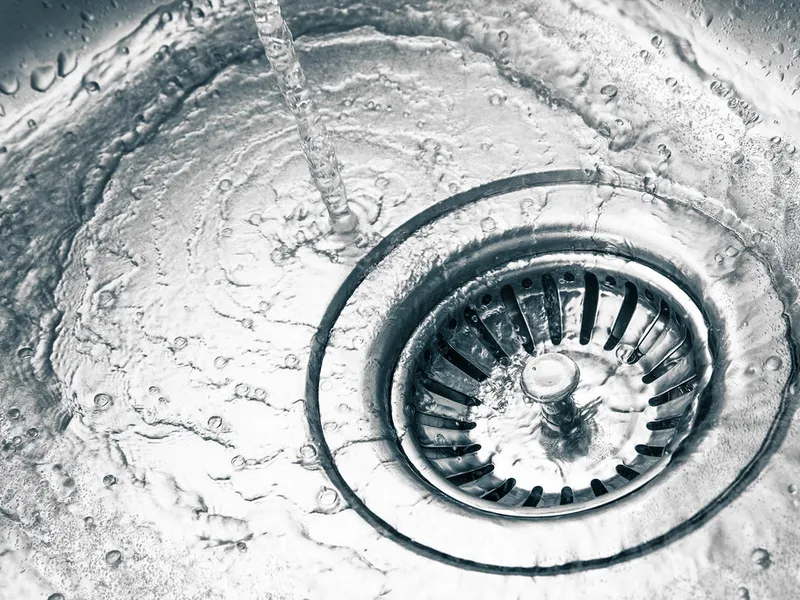
Kitchen and Bathroom Clogs, Cleared in a Single Visit
Grease, food debris, hair, and soap scum account for the large majority of clogged-drain calls we run, regardless of neighborhood or housing age. Most clear in one visit with the right tool for that specific fixture.
The part worth doing right is confirming the fix actually holds — running water through the line before we call the job finished, not just declaring victory the moment the standing water drains away.
DIY vs. Calling a Professional
A single slow drain with no history of prior issues is often worth a basic DIY attempt — a plunger, or a short household drain snake for a shallow blockage. Reach for a professional once a drain has resisted a simple attempt, once it's clogged more than once in the same spot, or once you notice gurgling sounds, foul odors, or water backing up in a fixture other than the one you're using. Multiple affected fixtures, standing water, or any sign of actual sewage backup isn't a DIY situation — that's an emergency call, full stop. Chemical drain cleaners are worth avoiding as a routine tool anywhere in Brockton, but especially in the city's older neighborhoods, where aggressive chemicals can do more harm than good on already-compromised clay or Orangeburg pipe.
What It Costs and How Fast We Respond
Most citywide competitors in Brockton's drain-cleaning market bury pricing entirely — you have to call and ask, and even then you often get a vague range instead of a real number. We'd rather just tell you. A single fixture clog — kitchen sink, bathroom drain, tub — typically runs in the range most homeowners expect for a standard snaking visit, and takes 30 minutes to two hours depending on access and severity. A main sewer line clog costs more due to added length and access work, and after-hours or true emergency dispatch carries a premium on top of the base price. We quote a firm number before any work starts, regardless of which neighborhood the call is coming from or how complicated the diagnosis turns out to be.
On response time, emergency dispatch runs 24/7 across the entire city, and calls involving active sewage backup, standing water, or multiple affected fixtures get priority scheduling ahead of routine work. For routine, non-emergency clogs, same-day or next-day scheduling is typical. Neighborhood matters here in one practical way: Cary Hill's elevated terrain means a slow drain can progress to standing water faster than in a flatter section of the city, so we treat slow-drain calls from that area with a bit more urgency even when they don't yet meet a strict emergency definition.
Bringing the Right Tool the First Time
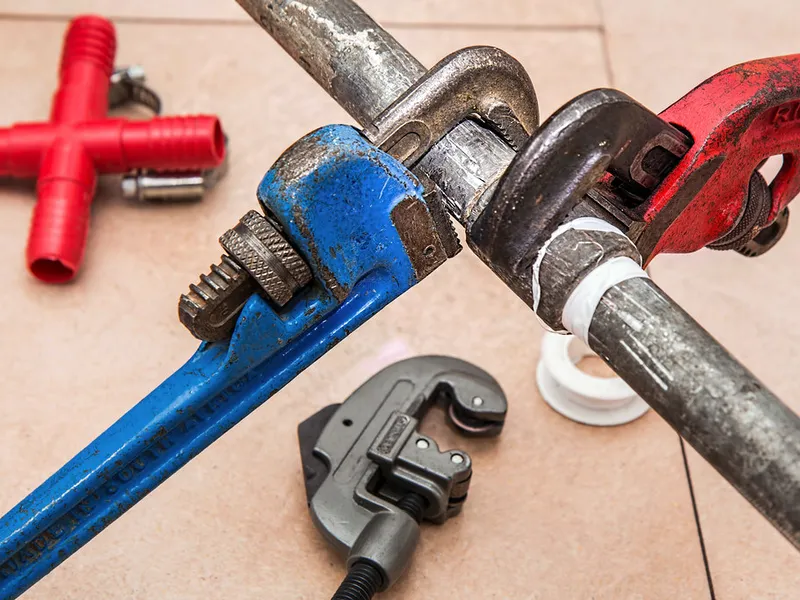
Snake, Auger, or Plunger — Matched to the Fixture, Not Guessed
A technician who defaults to the same tool on every call ends up either overkilling a simple clog or underpowering a stubborn one. We carry the full range — plunger-level tools for a trap-close blockage, hand augers for a few feet down a branch line, and cable snakes for anything that needs real reach and cutting power.
Choosing correctly the first time is what keeps a routine clogged-drain call to a single, reasonably priced visit instead of a return trip.
Serving Every Brockton Neighborhood
Brockton DrainPros covers all of Brockton, Massachusetts — Brockton and the surrounding Plymouth County / Metro South communities. We run emergency dispatch 24/7, and whether you're calling from a Campello triple-decker, a Clifton Heights single-family home, a downtown apartment above a storefront, or a Housing Authority property like Crescent Court, we diagnose with that specific neighborhood's actual housing stock and infrastructure history in mind — not a generic script copied across every city we happen to serve.
Snake vs. Auger vs. Plunger: When Each Tool Actually Works
Not every clog calls for the same tool, and using the wrong one wastes time without fixing the problem. A plunger works on a trap-level blockage close to the fixture — a toilet or a sink where the clog is within a few feet of the drain opening — by creating pressure that dislodges the obstruction directly. A hand or power auger extends further into the line, useful for a clog several feet down a branch line that a plunger's limited reach can't touch. A cable snake, the tool we reach for most often on a professional call, combines reach with a rotating head that can actually cut through or hook debris rather than just pushing against it, making it effective on tougher blockages — grease buildup, hair mats, root intrusion at a joint — that a consumer-grade auger struggles with. Knowing which tool actually fits the blockage, rather than defaulting to the most aggressive option every time, is part of what separates a fast, clean fix from an extended visit.
How It Works
Identify the Fixture & Cause
We confirm which drain and what's likely causing it before reaching for a tool.
Snake or Auger as Needed
The right tool for the fixture and blockage type — not a one-size approach.
Confirm It's Fully Clear
We run water through to verify the fix before finishing up.
Flag Repeat-Clog Risk
If the pattern suggests a structural cause, we'll tell you honestly rather than re-treat the symptom.
Common Questions — Brockton
How much does it cost to unclog a drain in Brockton?
A single fixture — a kitchen sink, a bathroom drain, a tub — is typically a standard snaking or auger visit, priced in the range most homeowners expect for that kind of call. A main sewer line clog costs more, given the added length and access work involved, and if you're calling after hours or during a true emergency, expect an emergency-dispatch premium on top of the base price. We quote a firm number before any work starts — no vague "it depends" answer, and no surprise on the invoice.
How long does it take a plumber to clear a clogged drain?
Most standard fixture clogs take 30 minutes to two hours once a technician is on site, depending on access and severity. A main line clog, or a job that turns into a camera inspection because the clog pattern suggests something more than a one-time obstruction, takes longer. We'll give you a realistic estimate based on what you describe over the phone, and we'll tell you honestly if a job is likely to run longer once we're on site and can see the actual situation.
What's the difference between drain snaking and hydro jetting?
A cable snake pushes through a blockage and punches a channel that lets water flow again — fast, effective, and usually all that's needed for a simple obstruction. Hydro jetting uses high-pressure water to scour the entire interior wall of the pipe clean, removing grease, scale, and root mass rather than just opening a path through the middle of it. Jetting is the more durable fix for recurring clogs, root intrusion, or grease-heavy commercial lines; snaking is the right tool for a first-time, straightforward blockage. We recommend whichever one actually fits your situation, not whichever one costs more.
Why does my drain keep clogging even after it's been cleaned?
A drain that clogs once and stays clear was probably a simple debris issue. A drain that clogs repeatedly in the same spot is telling you something structural is going on — a bellied section of pipe, root intrusion at a joint, a partial collapse in aging clay or Orangeburg pipe, or a transition point between old and newer pipe materials. Snaking clears the symptom every time, but it doesn't fix the underlying cause. If a drain has needed service more than twice in a year, that's the point where a camera inspection stops being optional and starts being the more cost-effective move.
Are chemical drain cleaners safe to use regularly in Brockton homes?
Not as a routine habit, and especially not in Brockton's older housing stock. Chemical drain cleaners can help clear a minor, fresh clog occasionally, but repeated use is genuinely harsh on pipe over time — and on aging clay, Orangeburg, or corroding cast-iron pipe, which is common across a meaningful share of Brockton's pre-1970s construction, aggressive chemicals can accelerate existing damage rather than just clearing the symptom. If you're reaching for a chemical drain cleaner more than occasionally, that's a sign the underlying clog needs a proper diagnosis instead.
Do you offer same-day or emergency drain clearing anywhere in Brockton?
Yes — emergency dispatch runs 24/7 across every neighborhood in our service area, from Campello and Montello to Cary Hill and Salisbury Park. Active sewage backup, standing water, or multiple affected fixtures get priority. For routine, non-emergency clogs, we typically offer same-day or next-day scheduling. Tell us your neighborhood and what's happening and we'll give you an honest estimate on timing.
Clogged Drain Clearing By Neighborhood
Every Brockton neighborhood has its own housing stock, pipe age, and clog pattern. Find your neighborhood below for the specific local knowledge that applies to your address.